
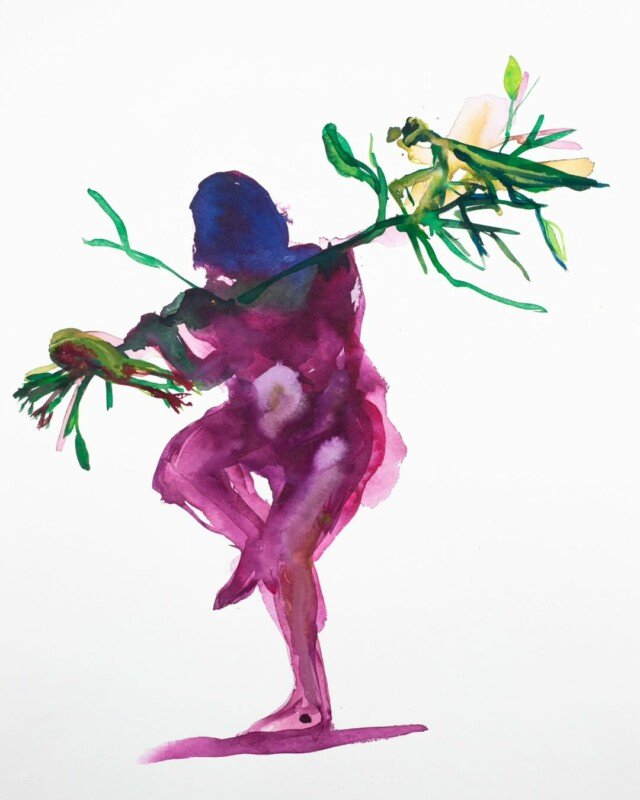
Headstart by Sanjo Lawal
Resilience in challenging times...
The year 2023, marked by international tensions, had repercussions on the art market that continued into 2024. With a total of $1.888 billion, the market has, in fact, returned to pre-pandemic levels, whilst exceeding the average of the five years preceding the health crisis by $200 million. (source: Artprice) 2024 was a period of challenges and resilience for the global art market. The contemporary art market, in particular, endured a difficult year, with a dramatic fall in global sales; African contemporary art was no exception.
Despite a difficult global context, marked by significant declines in auction sales and increased pressure on the art market due to geopolitical and economic conflicts, contemporary African art continued to show signs of resilience and positive development despite a slight slowdown. It demonstrated an ability to withstand the downturn.
Considered an emerging market just a few years ago, it has managed to overcome fears of fleeting interest and a passing fad. This resilience is largely due to the growing presence of African collectors, who play a crucial role in discovering and promoting the continent’s contemporary artists. It is also due to the fact that a multitude of players, such as Art Kelen, are working to promote this art.
Challenges and opportunities...
Despite this resilience, the contemporary African art market is not without its challenges. African galleries face significant investment costs in an increasingly competitive market. Participating in now well-established fairs such as 1:54 or AKAA represents a considerable financial outlay. In less than ten years, the art world has witnessed a major transformation. Interest in African art has emerged as a fundamental trend, profoundly changing the artistic landscape and the market.
This shift is exemplified by artists such as Njideka Akunyili Crosby, whose work, *The Beautiful Ones*, was sold to a private collector for $3 million by Christie’s in London in March 2017. Recent socio-political events, notably the death of George Floyd in the United States and the resurgence of the Black Lives Matter movement, have amplified interest in Africa and its diaspora, particularly within the professional art world.
Growing recognition
Contemporary African art continues to gain visibility and recognition around the world. Major international institutions and museums are now including African artists in their collections. This is the case, for example, with the Beninese artist Georges Adéagbo, whose installation "Les artistes et l'écriture" has been part of the Centre Pompidou’s permanent collection since 2020, or the South African artist Zanele Muholi, whose works are part of the Tate Modern collection in London.
Furthermore, many artists are now represented by leading galleries, such as the internationally renowned artist El Anatsui. He was awarded the Golden Lion at the Venice Biennale in 2015 and is represented by the galleries RX&SLAG | SLAG&RX, based in Paris and New York. This development reflects a significant shift in the perception and appreciation of African art on the global stage.
Towards market consolidation...
Following a period of euphoria and speculation, the African art market appears to be entering a phase of consolidation. The auction sector has seen an explosion of interest, with a remarkable surge in demand for works by contemporary African artists, peaking in 2022 with over 2,700 works sold. During this period, transactions almost doubled within the space of two to three years. Amoako BOAFO is a striking example of this trend, with a spectacular rise in his market value, from one to three million dollars in Hong Kong between 2020 and 2021, illustrating the meteoric rise of African artists on the international market.
However, this impressive growth has also been accompanied by intense speculation, with some investors taking advantage of the upward trend to make quick profits, leading to what has at times been excessive inflation in the values of several artists. (source: Artprice) This transition offers an opportunity to reassess speculative trends and identify emerging artists who make an authentic and lasting contribution to contemporary art. Institutions, galleries and auction houses dedicated to promoting African art play a vital role in this consolidation process.
The year 2024 was marked by challenges, but also by encouraging signs of resilience and growth for contemporary African art. Despite a general slowdown in the global art market, African art continues to develop, consolidate and gain international recognition. This positive trend is the result of a long-term collective effort, which promises to bear fruit in the years to come.
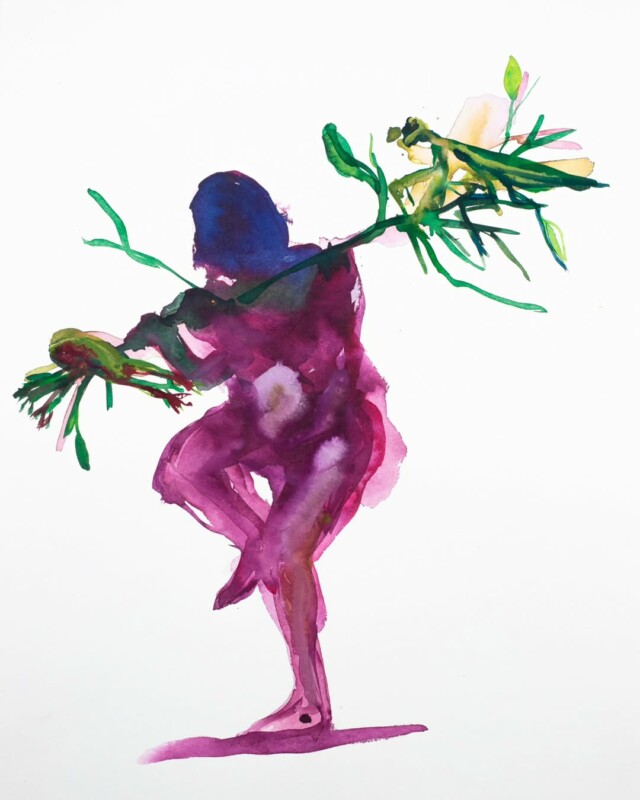
Yassine Balbzioui